

Che cos’è l’isolamento sociale?
L’isolamento sociale è un fenomeno psicologico e sociale che si verifica quando un individuo o un gruppo si ritira volontariamente o involontariamente dal proprio ambiente sociale. Questo può includere una riduzione delle interazioni sociali, sia virtuali sia di persona, e l’allontanamento da ambienti frequentati abitualmente come scuola, lavoro o eventi sociali. L’isolamento sociale può essere temporaneo o prolungato e può riguardare sia gli adulti sia i bambini.Cause dell’isolamento sociale
Le cause dell’isolamento sociale possono essere complesse e variare da persona a persona. Tra le cause comuni vi sono problemi di salute mentaleSecondo l'Organizzazione Mondiale della Sanità, la salute m... Leggi come depressioneLa depressione è un disturbo caratterizzato da una tristezz... Leggi, ansiaL'ansia è una risposta emotiva caratterizzata da sentimenti... Leggi, fobieLe fobie sono disturbi d'ansia caratterizzati da una paura i... Leggi sociali o altri disturbi psicologici che possono limitare la capacità di un individuo di interagire con gli altri e partecipare alla vita sociale. Altre cause possono includere traumi o eventi di vita stressanti, come la perdita di una persona cara, la perdita del lavoro o il trasferimento in una nuova città. Inoltre, discriminazioneNel tessuto sociale contemporaneo, il tema della discriminaz... Leggi o marginalizzazione possono portare all’isolamento sociale, soprattutto nelle persone appartenenti a minoranze etniche, comunitàChe cos’è una comunità e perché ci plasma anche quando ... Leggi LGBTQ+ o altri gruppi svantaggiati.In alcuni casi, l’isolamento sociale può essere una scelta volontaria, come nelle persone che preferiscono trascorrere il tempo da sole o cercano di evitare situazioni socialmente stressanti o minacciose. Tuttavia, questa scelta può avere conseguenze negative sulla salute mentale e sul benessere generale.
Cosa succede quando ti isoli? Effetti sul cervello
L’isolamento sociale può avere un impatto significativo sulla salute mentale e fisica. Le persone che sperimentano isolamento possono mostrare sintomi di ansia, depressione e bassa autostimaIl termine autostima indica, letteralmente, la valutazione d... Leggi. La mancanza di interazioni sociali significative può anche portare a un aumento dei sentimenti di solitudineLa solitudine è un'emozione complessa caratterizzata da un ... Leggi e alienazioneL’alienazione è un concetto centrale in psicologia e psic... Leggi. Inoltre, l’isolamento sociale può essere associato a un aumento del rischio di disturbi fisici come malattie cardiovascolari, obesità e altre condizioni mediche.È importante ricordare che la corteccia prefrontaleLa corteccia prefrontale svolge un ruolo fondamentale in num... Leggi è essenziale per il funzionamento sociale. Aiuta a regolare emozioniLe emozioni sono risposte psicofisiologiche complesse che ci... Leggi e comportamenti, soprattutto nelle interazioni sociali. La ricerca mostra che quando una persona è socialmente isolata, possono verificarsi cambiamenti in alcune aree del cervello, inclusa la corteccia prefrontale. Un isolamento sociale prolungato può portare a problemi cognitivi, emotivi e di salute fisica.
Chi tende a isolarsi?
È importante notare che l’isolamento sociale può colpire individui di qualsiasi età e contesto socio-economico. Alcuni gruppi, come gli anziani o le persone con disturbi mentali, possono essere più a rischio a causa di fattori come mobilità ridotta, perdita di relazioni significative o mancanza di supporto sociale.Isolamento sociale nei bambini e negli adolescenti
Man mano che i bambini crescono e imparano di più su se stessi, possono attraversare periodi in cui risultano più sfuggenti o ritirati. In una certa misura, questo è normale mentre esplorano la propria identitàIdentità: la trama invisibile che tiene insieme chi siamo L... Leggi. Tuttavia, se noti che tuo figlio evita la scuola, ha un umore basso o ha difficoltà a fare amiciziaAnche se forme rudimentali di amicizia sono presenti in dive... Leggi o a socializzare, questi potrebbero essere segnali che sta succedendo qualcos’altro.I bambini possono ritirarsi per molte ragioni. L’isolamento potrebbe essere un segnale di:
- Condizioni di salute mentale come ansia o depressione
- BullismoSebbene non esista una definizione di bullismo universalment... Leggi o altri conflitti
- Pressione sociale
- Timidezza
- Sentirsi fraintesi
La connessioneConnessione: il bisogno umano che precede ogni tecnologia La... Leggi sociale è essenziale per lo sviluppo di bambini e adolescenti. Li aiuta a migliorare le competenze cognitive e sociali che utilizzeranno per tutta la vita e a imparare come costruire sistemi di supporto.
Un ritiro eccessivo nei bambini e negli adolescenti può portare a sentimenti di solitudine, disconnessione, comportamenti autolesivi, disturbi alimentari e, nei casi estremi, pensieri suicidari. È importante parlare con i propri figli delle loro relazioni sociali e di come stanno affrontando le difficoltà.
Hikikomori: cosa succede se non esci mai di casa?
L’HikikomoriIl termine "hikikomori" (引きこもり) è di origine giap... Leggi è un fenomeno sociale e psicologico nato in Giappone, caratterizzato dalla scelta consapevole di ritirarsi completamente dalla società e dalla vita sociale. Le persone che vivono questa condizione scelgono di isolarsi ed evitare qualsiasi forma di contatto sociale, spesso evitando di interagire con amici, familiari e persino con il mondo esterno.Gli hikikomori possono trascorrere settimane, mesi o persino anni all’interno delle loro case, rifiutandosi di uscire o partecipare alla vita sociale o lavorativa. Le cause sono complesse e variano da persona a persona. Questa condizione è spesso associata a problemi di salute mentale come ansia, depressione, fobie sociali o altri disturbi psicologici. Anche traumi o eventi di vita stressanti, come fallimenti scolastici, problemi familiari o lavorativi, possono contribuire.
Le persone in questa condizione spesso sperimentano un profondo senso di isolamento e alienazione dalla società. Si ritirano nel proprio spazio privato, spesso nella propria stanza, dove si sentono a proprio agio e al sicuro. Il contatto sociale è generalmente limitato alla famiglia più stretta e, anche in questo caso, può essere minimo. L’hikikomori può avere gravi conseguenze sulla salute mentale e fisica, portando ad ansia, depressione, disfunzioni fisiche e problemi legati alla mancanza di attività fisica e di esposizione alla luce solare.
Le famiglie degli hikikomori spesso svolgono un ruolo chiave nel supporto e nel trattamento. Affrontare l’hikikomori può essere difficile per i familiari, che possono sentirsi frustrati o impotenti. Il trattamento di solito coinvolge professionisti della salute mentale, come psicologi o psicoterapeuti, che lavorano sia con l’individuo sia con la famiglia per individuare le cause alla base e sviluppare strategie di reintegrazione. Il trattamento può includere terapia individuale, terapia familiare e supporto sociale per aiutare la persona a recuperare il benessere emotivo e reintegrarsi nella società.
Consigli per superare l’isolamento sociale
Se tu o qualcuno che conosci state vivendo una situazione di isolamento sociale, ci sono strategie che possono aiutare:- Cercare aiuto professionale. Consultare uno psicologo o uno psicoterapeuta può aiutare a comprendere le cause dell’isolamento e sviluppare strategie per affrontarlo.
- Unirsi a gruppi sociali. Partecipare a gruppi di interesse o attività sociali può aiutare a conoscere nuove persone e costruire relazioni.
- Fare esercizio fisico. L’attività fisica può ridurre lo stressDal punto di vista clinico, lo stress è una reazione fisiol... Leggi e migliorare il benessere generale.
- Sviluppare abilità socialiIl cuore relazionale della competenza emotiva Quando si parl... Leggi. Frequentare corsi di comunicazione o sviluppare altre competenze sociali può aiutarti a sentirti più a tuo agio nelle interazioni sociali.
- Mantenere i contatti con amici e familiari. Anche se può essere difficile, mantenere contatti regolari con le persone care può aiutare a ridurre l’isolamento sociale.
Guarda il webinar e scopri come interrompere il circuito della violenza (tra i giovani)
"*" indica i campi obbligatori
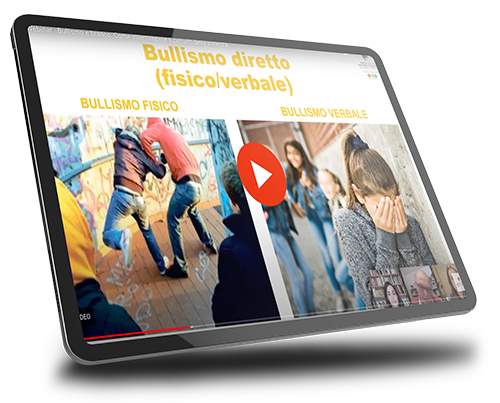
BULLISMO E BRANCO
Sii parte del cambiamento. Condividere responsabilmente contenuti è un gesto che significa sostenibilità
Alleniamo l'intelligenza emotivaLa prima definizione di Intelligenza Emotiva in quanto tale ... Leggi: che emozione ti suscita questo articolo?

Potrebbe interessarti


Cerca per categoria


