We need more emotional intelligence in schools
We need more emotional intelligence in schools
Even at school, emotional intelligence (EI) is a fundamental concept for the well-being and success of students. It not only influences their social skillsThe relational core of emotional competence When we talk abo... More but also their academic performance. Understanding and managing one’s own emotions, as well as recognizing and respecting those of others, are essential skills. In Italy, as in many other parts of the world, the importance of interpersonal and intrapersonal intelligence is being rediscovered in schools, not only to improve the school climate but also to promote the development of more aware and responsible citizens.
The situation in Italian schools
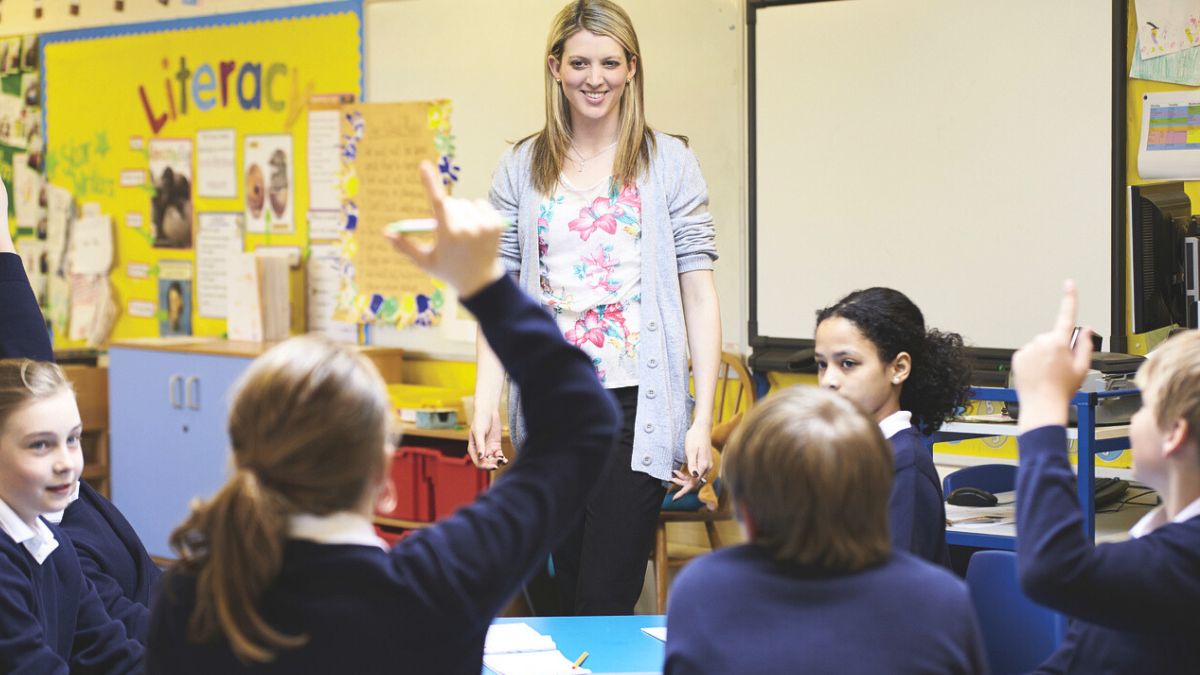 The level of emotional intelligence in Italian schools varies greatly across the country. Some institutions have already integrated programs to enhance EI into their educational practices, such as EQ Students, an international project supporting the development of emotional skills in school-aged children (6-15 years), of which Fondazione Patrizio Paoletti is the Italian partner.
However, other schools still focus exclusively on acquiring traditional academic skills. This approach can be limiting, as it does not consider the importance of emotional and social skills for students’ personal and professional growth, alongside the parallel development of empathyEmpathy is a fundamental skill that allows us to connect wit... More, self-awarenessThe term self-awareness (sometimes used as a synonym for sel... More, and even self-determinationL’autodeterminazione in psicologia si riferisce alla capac... More.
It is therefore crucial that schools adopt a more inclusive and holistic approach, focusing not only on knowledge but also on “knowing how to be.”
An optimal choice: inclusive teaching and global thinking
To promote a more empathetic, positive, and collaborative learningThe term learning—with the synonyms to learn, assimilate, ... More environment, in which sharing, healthy interdependence, and eudaimonia support school success, it is necessary to adopt inclusive teaching and encourage global thinking.
Inclusive teaching aims to engage all students, regardless of their differences, creating a context where everyone can feel valued and part of the group. Global thinking, on the other hand, encourages students to consider their experiences and knowledge from a broader perspective, developing empathy and understanding toward different cultures and realities.
An example of this combination is the implementation of intercultural projects, where students work together on global issues, learning not only academic content but also the importance of cooperationThe silent force that holds human groups together Cooperatio... More and mutual respect. These projects can be further enriched by activities that promote dialogueDialogue: When Words Become Relationship Dialogue is one of ... More and reflection on emotions, helping students develop greater emotional awareness.
LOVE IS LEARNED
Download the EduKit and start training your emotional intelligence
"*" indicates required fields
The central role of the teacher: becoming a mentor
In this context, the role of the teacher becomes crucial. The teacher is not only a transmitter of knowledge but a mentor who guides and supports students in their emotional and cognitive development. To do this, teachers must be trained not only in subject knowledge but also in emotional skills. Training and professional development courses on emotional intelligence can provide teachers with the tools needed to recognize and manage emotional dynamics within the classroom, promoting a positive and inclusive learning environment.
Emotional intelligence can also intersect with artificial intelligenceArtificial Intelligence (AI) is a rapidly growing field of s... More to provide quality training for teachers. In this sense, Fondazione Patrizio Paoletti, together with New Life For Children, has implemented the Teachers Outreach project, a global platform dedicated to the professional development of educators worldwide, based on Third Millennium PedagogyTo understand what pedagogy is, let’s provide a definition... More. Thanks to AI in service of teaching, Teachers Outreach ensures access to high-quality, personalized, and innovative education, combating emotional illiteracyEmotional illiteracy is a term used to describe a person’s... More regardless of geographic location, age, or gender.
Strategies and educational practices to support emotional intelligence
To integrate emotional intelligence into the school curriculum, various strategies and educational practices can be adopted. One of these is the introduction of participatory and dialogical lessons, where students are encouraged to express their opinions and discuss openly. This not only fosters autonomy and active participation in their learning journey but also helps develop essential skills for managing interpersonal relationships.
Other strategies include the use of meditation and mindfulness techniques to help students manage stressFrom a clinical point of view, stress is a physiological and... More and develop greater self-awareness. Additionally, creative activities, theatrical or circus workshops can be used to explore and understand emotions in a practical and engaging way.
Toward an emotionally intelligent school
There are numerous active projects that can serve as models for developing emotional intelligence in schools. Among these, peer education programs, based on peer-to-peer relationships, stand out. Here, older or more experienced students help their younger peers navigate the emotional and social challenges of school life. Programs like these not only promote emotional intelligence but also strengthen the sense of community and encourage mutual support within school walls.
Fondazione Patrizio Paoletti also spreads emotional intelligence in Italian high schools through the “Prefiguring the Future” protocol, designed to promote well-being and train the inner resources of students, teachers, parents, and the entire educational community, particularly enhancing resilienceAccording to the American Psychological Association, resilie... More and self-awareness.
Integrating emotional intelligence into schools is not just an educational choice but a necessity to prepare students to live in a complex and ever-changing society. Through inclusive teaching, teacher involvement, and the implementation of specific projects, it is possible to create learning environments that educate not only the mind but also the heart. This approach improves student well-being and fosters a more empathetic and collaborative school community, ready to face future challenges.
Be part of the change. Responsibly sharing content is an act of sustainability.
Let's train emotional intelligence: what emotion does this article arouse in you?