

Digital microgratification: notifications and dopamine
Breaking the reward cycle to restore psychosocial well-being
In an era where we are constantly connected, mobile device notifications allow us to stay up to date, but at what cost? Notification addictionDrug addictions are not simply personal “vices,” but gen... More affects mental well-being and has significant implications for emotional and social health. In this article, we will explore how dopamine plays a central role in this particular addiction and how this condition can lead to anxietyAnxiety is an emotional response characterized by feelings o... More and panic attacksDo you sometimes experience sudden bouts of overwhelming anx... More, affecting social life through forms of microgratification. Breaking the reward cycle is possible by using small but essential measures.
The Reward Cycle
Dopamine, a neurotransmitter linked to motivationMotivation: a scientific perspective Motivation is a fundame... More and pleasure mechanisms, plays a key role in the reward cycle. When a notification is received, such as a message, a “like” on a post, or an email, the brain releases dopamine, creating a pleasant and rewarding sensation that triggers a vicious circle, pushing the individual to frequently check electronic devices in search of more notifications.
Because of this gratification, one is motivated to want to repeat the action that caused this release. In the case of notifications, we feel gratified and socially connected, even if superficially. Over time, this behavior becomes a compulsive cycle, and people start checking their phones even in the absence of notifications, always hoping to find a new one that triggers the pleasure sensation.
Addiction, Anxiety, and Microgratification
The reward cycle creates a behavioral addiction, in which the brain is programmed to continuously seek those small doses of dopamine. Digital alerts thus provide small doses of immediate pleasure, offering a form of microgratification, a fleeting but at the same time powerful and highly motivating pleasure. Microgratification, in this way, ends up reducing both the ability to focus on long-term tasks and the tolerance for frustration, thus conditioning one to immediate rewards.
Moreover, the constant pursuit of digital rewards increases anxiety levels. What is called FOMO (Fear of Missing Out), literally the fear of missing a notification or important event, leads to increased stressFrom a clinical point of view, stress is a physiological and... More and, in some cases, even panic attacks.
The constant interruption caused by notifications disrupts the mental state, keeping individuals in a constant state of alert. This perpetual vigilance quickly depletes mental resources, increasing cortisolThe adrenal glands, small pyramid-shaped glands above the ki... More levels, the stress hormone.
Impact on Social Life: Reduction of Face-to-Face Interactions
Notification addiction can negatively affect social interactions, especially at a young age. Adolescents and adults may find themselves checking their phones even during conversations and social activities, reducing the quality of time spent with friends and creating a sense of isolation.
Young people who spend a lot of time on digital devices may develop less advanced social skillsThe relational core of emotional competence When we talk abo... More. For example, they may have difficulty interpreting nonverbal cues, such as body language and facial expressions, which are crucial for effective communication. Constant distraction caused by devices can hinder the development of deep and meaningful conversations.
This can lead new generations to engage in superficial relationships, where a true emotional bond is not created. Notification addiction can limit their direct social experiences. Rather than participating in social activities, young people may come to prefer virtual interactions, which do not offer the same level of emotional connectionConnection: the human need that precedes all technology Conn... More and social skill development.
DIGITAL HEALTH
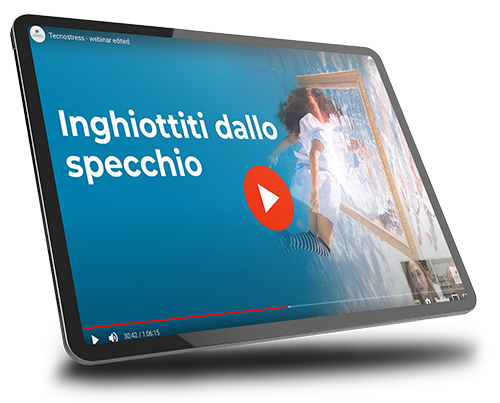
Watch the webinar and learn how to manage the risks of web addiction
"*" indicates required fields
How to Break the Reward Cycle
In a constantly connected world, smartphone and social media notifications have become an omnipresent part of daily life, especially for young people. This phenomenon can lead to notification addiction and a microgratification cycle that can negatively affect mental well-being and social life. It is helpful to set effective strategies to better manage this addiction.
- A first step is certainly to disable non-essential notifications. Participation in group chats sometimes keeps young people occupied for a large part of the day and, often, even during the night.
- The second step is to set specific times during the day to check the phone. This can help young people reduce addiction and manage their time better, both for studying and for interpersonal relationships.
- Also, practicing mindfulness and meditationThere are many ways to define meditation, but perhaps the si... More can greatly help reduce anxiety and improve awareness of one’s behaviors. Practicing mindfulness helps to stay present and not be dominated by notifications.
- At school, it may also be useful to create device-free zones, spaces for pure interaction, for example, during breaks, to encourage quality face-to-face interactions.
Notification addiction and the microgratification cycle, associated with dopamine release, represent significant challenges for the mental and social health of young people and adults. It is essential to promote greater awareness of the importance of balancing online time with activities that promote a healthier and more fulfilling life. Fondazione Patrizio Paoletti offers a free Digital Health Webinar to learn and apply effective strategies in managing technology use, reducing its negative impact, and improving overall well-being and global healthIn the vast and multifaceted landscape of global health, the... More.
Be part of the change. Responsibly sharing content is an act of sustainability.
Let's train emotional intelligenceThe first definition of Emotional Intelligence as such was p... More: what emotion does this article arouse in you?

You might be interested in


